
Living with urinary incontinence can be challenging, often impacting daily life and confidence. While various factors contribute to this condition, many people don’t realize the significant role their diet plays. The foods and drinks you consume daily can either soothe your bladder or irritate it, directly influencing the frequency and severity of your symptoms.
This comprehensive guide explores the powerful connection between nutrition and bladder health. We’ll show you which dietary choices might worsen your incontinence and, more importantly, highlight the foods and nutrients that can help you regain better control and comfort.
Table of Contents
- Understanding Diet’s Role in Bladder Control
- Foods and Drinks to Avoid for Better Bladder Health
- Nutrition That Supports Urinary Continence
- Conclusion
Understanding Diet’s Role in Bladder Control
If you experience urinary incontinence, you’ve likely noticed how certain foods and drinks seem to trigger or worsen your symptoms. Your bladder is a sensitive organ, and what you put into your body directly affects its function and irritation levels. Understanding these connections empowers you to make informed dietary choices that can significantly improve your quality of life.
Foods and Drinks to Avoid for Better Bladder Health
Some common dietary culprits can act as bladder irritants or diuretics, increasing urgency and frequency. By identifying and limiting these items, you can often experience a noticeable reduction in incontinence symptoms.
Caffeine
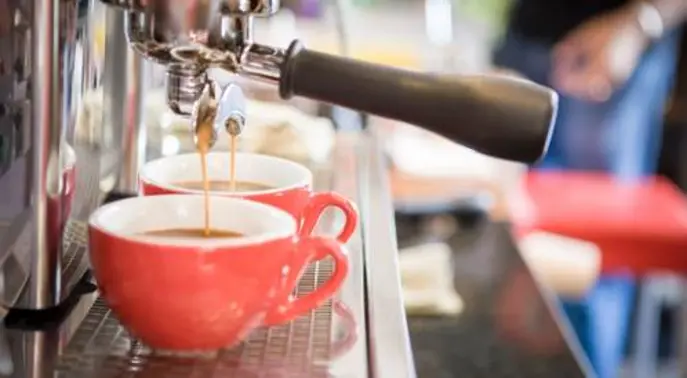
Caffeine is a well-known diuretic, meaning it makes your body produce more urine. When you consume caffeine, your body quickly begins flushing out fluids, which can exacerbate urinary incontinence. Common sources include coffee, tea, sodas, and chocolate. Even decaffeinated coffee contains some caffeine, which could still have an effect.
If you enjoy caffeine, consider consuming it earlier in the day rather than in the evening to reduce nighttime bladder activity.
Carbonated Beverages
Even caffeine-free sodas are not ideal for bladder health. The carbon dioxide in fizzy drinks can irritate the bladder lining, making it more sensitive and increasing the urge to urinate. This includes all types of sparkling waters and soft drinks.
Alcohol
Alcohol directly impacts bladder function, acting as both a diuretic and a bladder irritant. It can also impair your ability to control bladder muscles, making episodes of incontinence more likely and potentially embarrassing. Individuals with urinary incontinence should try to limit or avoid alcohol consumption as much as possible.
Highly Acidic Foods
Foods high in acid can irritate the bladder and increase urinary frequency. Common examples include citrus fruits like oranges and pineapples, and tomatoes. While cranberries are often touted for urinary tract health, their high acidity might actually be counterproductive for those dealing with an overactive bladder or incontinence symptoms.
Spicy Foods
Just like caffeine, highly spiced foods can irritate the bladder lining. If you have an overactive bladder or struggle with incontinence, you might find relief by avoiding very hot or spicy dishes, such as certain Chinese, Mexican, or Indian cuisines, and even foods like radishes.
Nutrition That Supports Urinary Continence
While eliminating certain foods is crucial, incorporating specific nutrients and habits can further strengthen your bladder and reduce bothersome symptoms.
Water: Your Bladder’s Best Friend
It might seem counterintuitive to drink more water when you have incontinence, but proper hydration is vital. The recommended intake is typically 6-8 glasses daily. When you drink too little water, your urine becomes more concentrated, which can irritate your bladder and increase the urge to urinate.
Adequate water intake also prevents constipation, another factor that can put pressure on the bladder and worsen incontinence. Always aim to drink enough water for your body, and consider discussing your ideal fluid intake with a healthcare professional.
Magnesium-Rich Foods
Magnesium plays a critical role in muscle and nerve function, making it beneficial for alleviating urinary incontinence symptoms. Some medical professionals believe magnesium can reduce bladder muscle spasms, allowing for more complete emptying and better control. A small study involving women showed improvement in incontinence symptoms when supplementing with magnesium hydroxide.
You can find magnesium in foods like bananas, potatoes, whole grains, nuts, broccoli, and various seeds. If you consider magnesium supplements, always consult your doctor first.
Vitamin D Sources
Known for its role in calcium absorption and bone health, Vitamin D may also reduce the risk of urinary incontinence. Research suggests a link between adequate Vitamin D levels and better bladder function.
Boost your Vitamin D intake through direct sun exposure, fortified foods like milk and cereals, and natural sources such as eggs, fatty fish, and mushrooms. Supplements are also an option, but consult a healthcare provider before starting any new regimen.
Conclusion
Managing urinary incontinence involves a holistic approach, and your diet is a powerful tool in your arsenal. By understanding how certain foods and drinks affect your bladder, you can make informed choices that lead to greater comfort and control. Experiment with these dietary adjustments and observe how your body responds. For personalized advice and management strategies, always consult with a healthcare professional.