
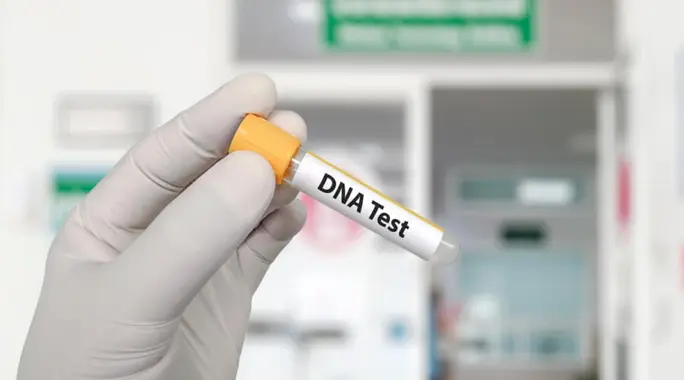
DNA analysis has rapidly grown in popularity, becoming a cornerstone for understanding genetic makeup, establishing familial connections, and diagnosing various conditions. This powerful tool takes a sample of an individual’s genetic material and meticulously analyzes it, revealing crucial insights. From confirming biological relationships to detecting potential health risks, DNA analysis offers a precise window into our unique biological code.
Table of Contents
- What is DNA Analysis?
- How Does DNA Paternity Testing Work?
- Types of Prenatal DNA Testing
- How Long Do DNA Test Results Take?
- Key Benefits of DNA Analysis
- Understanding the Risks of DNA Testing
- Conclusion
What is DNA Analysis?
DNA analysis is a comprehensive genetic examination often performed to verify biological relationships, most commonly paternity. When conducted in a reputable, licensed laboratory, DNA analysis offers an exceptionally high degree of accuracy and reliability.
Historically, blood type testing served as a common method for paternity determination. However, this approach presented numerous limitations and inconsistencies. To address these challenges, DNA analysis emerged in the 1990s as a superior and more precise method for confirming paternity. Furthermore, its applications extend beyond family matters, playing a vital role in healthcare diagnostics and forensic investigations.
How Does DNA Paternity Testing Work?
The fundamental principle of DNA paternity testing involves analyzing an individual’s genetic material and meticulously comparing it with the genetic material of the presumed father. For a conclusive determination of biological fatherhood, the genetic profiles must demonstrate a precise match. This comparative analysis yields results with nearly 100% accuracy, providing definitive answers.
Typically, a standard DNA test involves collecting a simple sample, often from the inside of the cheek using a swab. This non-invasive method makes the process straightforward for adults and children.
Types of Prenatal DNA Testing
While a cheek swab is the primary method for most individuals, specific procedures allow for DNA analysis of a fetus during pregnancy. These prenatal tests are typically more complex and carry certain considerations.
Non-Invasive Prenatal Paternity Test (NIPPT)
Healthcare providers usually perform this test after the eighth week of pregnancy. It involves taking a blood sample from the mother, which contains a small percentage of the fetus’s genetic material. This fetal DNA is then isolated and compared with the presumed father’s DNA. NIPPT boasts a high accuracy rate, typically around 99.9%.
Amniocentesis
Doctors typically perform amniocentesis between the 14th and 20th weeks of pregnancy. During this procedure, a doctor uses ultrasound guidance to insert a thin needle into the uterus. They carefully withdraw a small sample of amniotic fluid, which contains fetal cells for genetic analysis.
Chorionic Villus Sampling (CVS)
CVS is generally conducted earlier, between the 10th and 13th weeks of pregnancy. For this test, a healthcare professional inserts a needle or a thin tube through the vagina and cervix, guided by ultrasound. They collect a sample of chorionic villi, which are placental tissues containing the fetus’s genetic information.
It is important to note that CVS carries a higher risk of miscarriage compared to other prenatal tests, with an approximate rate of one in every 100 cases.
How Long Do DNA Test Results Take?
The time it takes to receive DNA test results can vary depending on the specific test and the laboratory. For standard samples, results typically become available within two to five business days after the lab receives the sample.
However, tests involving amniotic fluid or chorionic villus samples, such as amniocentesis or CVS, often require a longer processing period. These results may take several weeks to be finalized due to the complexity of the sample analysis.
Key Benefits of DNA Analysis
DNA analysis offers a multitude of valuable insights and applications:
- Paternity and Maternity Confirmation: It definitively establishes biological relationships.
- Detection of Neural Tube Defects: DNA analysis can identify potential issues with the baby’s brain or spinal cord development.
- Identification of Chromosomal Abnormalities: It helps detect conditions caused by extra, missing, or irregular chromosomes.
- Screening for Genetic Diseases: The test can reveal a predisposition to or the presence of various inherited genetic disorders.
Understanding the Risks of DNA Testing
For most non-pregnant individuals, DNA testing carries no associated risks. The collection methods, such as a cheek swab, are non-invasive and generally very safe.
However, for pregnant women, healthcare providers generally recommend prenatal DNA testing only when medically necessary, and sometimes suggest deferring it until after the baby’s birth if possible. The primary risks associated with prenatal DNA tests, particularly amniocentesis and chorionic villus sampling, include:
- Increased risk of miscarriage
- Potential for infections
- Vaginal bleeding
- Uterine cramps
- Leakage of amniotic fluid
- Localized skin sensitivity or irritation at the injection site
Conclusion
DNA analysis stands as a powerful and indispensable tool in modern medicine and personal identification. It offers unparalleled accuracy in establishing biological ties, detecting genetic predispositions, and identifying chromosomal abnormalities. While simple and safe for most individuals, prenatal DNA testing requires careful consideration of its potential benefits against the inherent risks. As technology continues to advance, DNA analysis will undoubtedly play an even greater role in shaping our understanding of human health and identity.