



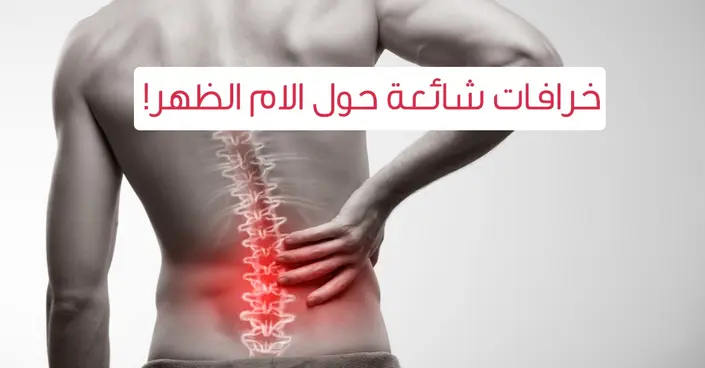
Back pain is a complex, widespread issue that affects millions globally. It’s not just a physical ailment; it’s often surrounded by misconceptions that can hinder effective management and recovery. Understanding the truth about back pain is the first step towards finding lasting relief and improving your quality of life. Let’s separate fact from fiction as we debunk 10 common myths about back pain.
- Myth 1: Back Pain is Rare
- Myth 2: Severe Back Pain Leads to Paralysis
- Myth 3: Intense Pain Equals Ongoing Damage
- Myth 4: Active People Are Immune to Back Pain
- Myth 5: Your Spine is Fragile
- Myth 6: Young Back Pain Means Worse Aging
- Myth 7: Back Pain is Hereditary
- Myth 8: Rest is Always the Best Cure
- Myth 9: Hot Compresses and Massage Are Cures
- Myth 10: Chronic Back Pain Means Surgery
Myth 1: Back Pain is Rare
Many believe back pain is an uncommon issue, affecting only a small percentage of the population. However, this couldn’t be further from the truth.
The Reality: Back pain is incredibly common. Statistics show that up to 8 out of 9 people will experience back pain at some point in their lives. It stands as a leading cause of disability for men over 45 and is the second most common reason, after the common cold, for patients to visit a primary care physician.
Furthermore, back pain is the third most frequent reason for surgical procedures and the fifth for hospital admissions. These numbers highlight just how prevalent and impactful back pain truly is.
Myth 2: Severe Back Pain Leads to Paralysis
A common fear associated with intense back pain is the possibility of paralysis. Many people worry that a sudden, sharp pain could indicate severe spinal damage leading to a loss of mobility.
The Reality: While frightening, severe back pain rarely leads to paralysis. The spinal cord itself ends in the upper part of the lower back, specifically around the first lumbar vertebra (L1). Below this level, the spinal canal contains only strong, resilient nerve roots.
In most instances, even very severe back pain does not point to a problem that could cause paralysis. Paralysis resulting from back issues is extremely rare, typically occurring only in specific cases like spinal cord tumors or severe infections that directly impact the cord.
Myth 3: Intense Pain Equals Ongoing Damage
We often associate the intensity of pain directly with the severity of an injury. It’s natural to assume that if your back pain is excruciating, there must be continuous damage occurring.
The Reality: This correlation holds true mainly in the acute phase of an injury, such as touching a hot surface where immediate, intense pain signals direct harm. However, with chronic back pain, which persists for more than six weeks, the relationship between pain level and the extent of tissue damage significantly changes.
In chronic conditions, the amount of back pain you feel does not directly correlate with the amount of ongoing injury. The nervous system can become hypersensitive, leading to persistent pain even after the initial physical damage has healed or if there’s minimal structural damage present.
Myth 4: Active People Are Immune to Back Pain
Many assume that maintaining a physically active lifestyle and exercising regularly provides complete immunity from back pain. The idea is that strong muscles and good fitness prevent all back-related issues.
The Reality: While it’s true that physically active individuals with good physical conditioning tend to be less susceptible to back pain compared to sedentary people, back pain can still affect anyone, regardless of their activity level. Even athletes and highly fit individuals can experience it.
Certain sports, in fact, can put significant stress on the back and may contribute to back pain more than others. Examples include golf, volleyball, and gymnastics, which involve repetitive twisting, bending, or high-impact movements. Maintaining a healthy lifestyle reduces risk, but it doesn’t eliminate it entirely.
Myth 5: Your Spine is Fragile
The image of a delicate spinal cord easily damaged by everyday movements is a common misconception that often instills fear and can lead to unnecessary inactivity.
The Reality: The spinal cord is far from fragile; it is remarkably robust and well-protected. It resides within a very strong bony enclosure called the spinal canal, which shields it from most everyday bumps and injuries.
Furthermore, the vertebrae are surrounded and supported by an extensive network of strong ligaments and powerful muscles. This complex structure provides excellent protection, meaning the spinal cord is rarely injured except in severe, high-impact events like major car accidents or falls from significant heights that result in vertebral fractures.
Myth 6: Young Back Pain Means Worse Aging
If you experience back pain in your younger years, it’s easy to believe that this problem will only worsen as you age, leading to a future filled with increasing discomfort.
The Reality: Interestingly, the incidence of back pain tends to be highest between the ages of 35 and 55, and often decreases after that period. While disc degeneration between vertebrae is a normal part of the aging process, it doesn’t automatically mean you will experience more back pain.
Many individuals show signs of disc degeneration on imaging scans without ever experiencing pain. Age-related changes in the spine are natural, and with proper care, management, and an active lifestyle, back pain in youth does not necessarily dictate a future of worsening symptoms.
Myth 7: Back Pain is Hereditary
Some people worry that if their parents or close relatives suffered from back pain, they are destined to inherit the same condition. This belief can cause unnecessary anxiety about one’s future health.
The Reality: For the vast majority of cases, back pain and neck pain do not have a hereditary predisposition. While certain rare conditions might have a genetic component, general, non-specific back pain is not typically passed down through generations.
Lifestyle factors, posture, activity levels, and occupational demands play a much more significant role in the development of back pain than genetics. Focus on what you can control rather than worrying about inherited tendencies.
Myth 8: Rest is Always the Best Cure
When back pain strikes, the immediate instinct is often to rest completely, believing that staying still will allow the back to heal faster. This advice, however, can be counterproductive.
The Reality: While a very short period of rest (1-2 days) might help reduce acute pain, prolonged bed rest, especially for more than 2-3 days, can actually hinder recovery and exacerbate the problem. Inactivity leads to several adverse outcomes.
These negative effects include muscle atrophy, where muscles can lose 1-1.5% of their mass each day, an increased risk of blood clots, and a loss of calcium from bones. Gentle movement and a gradual return to activity are generally more beneficial for healing and long-term recovery than extended rest.
Myth 9: Hot Compresses and Massage Are Cures
When experiencing back discomfort, many turn to hot compresses or massage for relief, often hoping these treatments will provide a definitive cure for their pain.
The Reality: Hot compresses and massage can certainly help reduce acute pain in the short term, offering soothing comfort and temporary relief to the patient. They are valuable tools for managing symptoms and making you feel better.
However, these treatments typically do not lead to long-term healing or address the underlying cause of chronic back pain. Instead, they are best utilized to manage pain during the acute phase, helping patients stay comfortable enough to participate in rehabilitation programs and continue with their daily activities. Think of them as supportive measures, not ultimate solutions.
Myth 10: Chronic Back Pain Means Surgery
Facing persistent, long-term back pain can be daunting, leading many to believe that surgery is the only viable option left for relief. This is a significant misconception that can cause unnecessary fear and anxiety.
The Reality: In most cases, if back pain has reached a chronic stage, the likelihood of surgical success is actually lower. Surgery is typically considered for specific conditions with clear structural problems that are responsive to intervention, and the symptoms necessitating surgery often present earlier in the course of the pain and are relatively distinct.
For chronic, non-specific back pain, conservative treatments like physical therapy, exercise, pain management techniques, and lifestyle adjustments are often far more effective and carry fewer risks than surgical intervention. Surgery is usually a last resort, considered only after extensive non-surgical options have been exhausted and for very specific diagnostic criteria.
Back pain is a complex health issue, but by understanding and debunking these common myths, you empower yourself with accurate knowledge. Moving beyond misconceptions allows for more effective treatment strategies and a proactive approach to managing your back health. Remember, informed decisions are key to finding relief and maintaining a healthy, active lifestyle.