
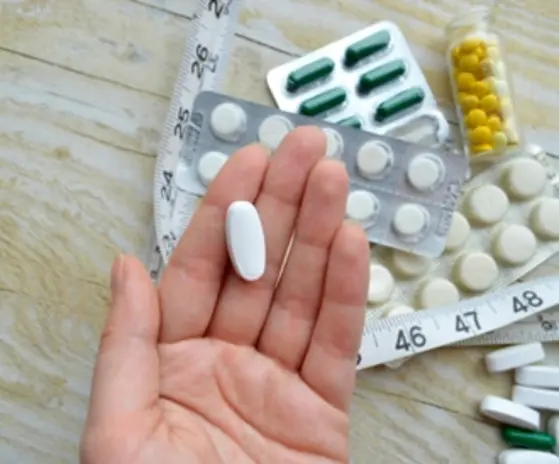
Daily aspirin therapy can be a life-saving decision for many, dramatically reducing the risk of heart attacks and strokes. However, this powerful medication isn’t suitable for everyone. Making the right choice requires understanding both the significant benefits and the potential risks.
This comprehensive guide helps you navigate the complexities of daily aspirin, clarifying its uses, who stands to benefit most, and the crucial factors to discuss with your healthcare provider.
Table of Contents
- Understanding Daily Aspirin Therapy
- Primary vs. Secondary Prevention: A Key Distinction
- Who Should Consider Daily Aspirin?
- Potential Risks of Daily Aspirin Therapy
- Making an Informed Decision with Your Doctor
Understanding Daily Aspirin Therapy
Aspirin, or acetylsalicylic acid, works by inhibiting the clumping of platelets in your blood. This action helps prevent blood clots that can block arteries and lead to serious cardiovascular events like heart attacks and ischemic strokes.
While often associated with pain relief and fever reduction, a low dose of aspirin taken daily serves a very different, preventative purpose in cardiovascular health.
Primary vs. Secondary Prevention: A Key Distinction
The decision to take daily aspirin hinges significantly on whether you’re trying to prevent a first-time event (primary prevention) or a recurrence (secondary prevention).
Primary Prevention: Proactive Steps
Primary prevention means you have not previously experienced a heart attack, stroke, or undergone procedures like coronary bypass surgery or angioplasty. You also don’t have existing blockages in arteries in your neck, legs, or other body parts.
In this scenario, you take daily aspirin to proactively reduce the risk of future cardiovascular events. However, the benefits of aspirin for primary prevention remain a subject of debate among medical professionals, as the potential risks may, for some individuals, outweigh the benefits.
Secondary Prevention: After an Event
Secondary prevention applies if you have a history of a heart attack or stroke, or if you currently live with a diagnosed heart or blood vessel disease. In these cases, daily aspirin therapy is a proven and often crucial component of your treatment plan.
Taking aspirin daily in this context significantly helps prevent future heart attacks, strokes, and other cardiovascular complications, backed by strong medical evidence.
Who Should Consider Daily Aspirin?
The suitability of daily aspirin therapy depends on several personal factors. Your age, overall health, medical history, and your individual risk of experiencing a heart attack or stroke all play critical roles.
Generally, individuals with a high risk of cardiovascular disease (e.g., those with a history of heart attack, stroke, or certain heart conditions) are strong candidates for secondary prevention. For primary prevention, the criteria are stricter, often considering factors like diabetes, high blood pressure, high cholesterol, and smoking history, alongside age and bleeding risk.
Potential Risks of Daily Aspirin Therapy
While beneficial for many, daily aspirin is not without risks. The most significant concern is an increased risk of bleeding, particularly in the gastrointestinal tract, which can lead to stomach ulcers or more serious internal bleeding. In rare cases, it can also increase the risk of hemorrhagic stroke.
Other potential side effects include allergic reactions, heartburn, and nausea. It’s vital to weigh these risks against the potential benefits, especially for primary prevention.
Making an Informed Decision with Your Doctor
Ultimately, the decision to start or continue daily aspirin therapy is highly personal and requires careful consideration. Never begin a daily aspirin regimen without consulting a healthcare professional.
Your doctor can assess your individual health profile, evaluate your cardiovascular risk, and discuss the specific benefits and risks tailored to your situation. This professional guidance ensures you make the safest and most effective choice for your long-term health.
Daily aspirin therapy offers significant protection against serious cardiovascular events for certain individuals. However, it’s crucial to understand that it’s not a one-size-fits-all solution.
By distinguishing between primary and secondary prevention and carefully considering the potential benefits versus risks, you can have an informed discussion with your doctor to determine if daily aspirin is the right preventative measure for you.