
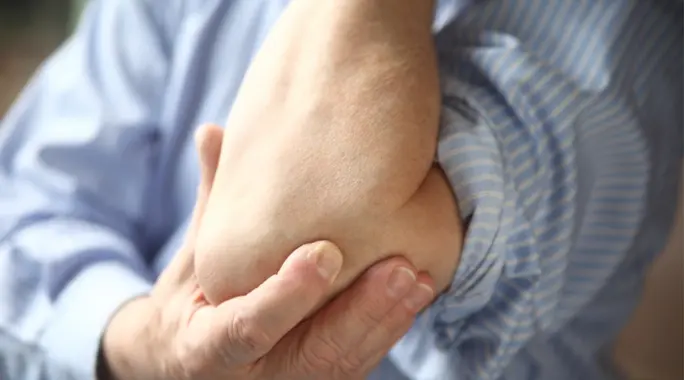
Do you ever feel a tingling sensation, numbness, or even weakness in your ring and pinky fingers? These symptoms might be more than just a passing annoyance; they could indicate Cubital Tunnel Syndrome, also known as ulnar nerve entrapment at the elbow. This common condition arises when the ulnar nerve, which runs through a narrow passageway on the inside of your elbow, becomes compressed or irritated.
Understanding this condition is the first step toward effective management and relief. This comprehensive guide will explore the causes, symptoms, diagnosis, and treatment options available for cubital tunnel syndrome, empowering you to take control of your hand and arm health.
- What is Cubital Tunnel Syndrome?
- What Causes Cubital Tunnel Syndrome?
- Recognizing the Symptoms of Ulnar Nerve Entrapment
- Who is at Risk? Understanding Cubital Tunnel Syndrome Risk Factors
- Diagnosing Cubital Tunnel Syndrome Accurately
- Effective Treatment Options for Ulnar Nerve Entrapment
- Preventing Cubital Tunnel Syndrome
- Conclusion: Take Control of Your Nerve Health
What is Cubital Tunnel Syndrome?
Cubital tunnel syndrome occurs when the ulnar nerve, one of the three main nerves in your arm, becomes compressed or irritated. This nerve travels down the arm and passes through a narrow space on the inside of your elbow, known as the cubital tunnel. When pressure is placed on this nerve, it can lead to a range of uncomfortable symptoms in your hand and fingers.
Think of it as the nerve equivalent of hitting your “funny bone”—that temporary shock you feel when you bump the inside of your elbow. With cubital tunnel syndrome, the sensation is often more persistent and can worsen over time.
What Causes Cubital Tunnel Syndrome?
While the exact cause of cubital tunnel syndrome often remains unknown, several factors can contribute to its development. These issues typically involve increased pressure or irritation of the ulnar nerve within the cubital tunnel.
- Repetitive Elbow Movement: Activities that involve frequent bending and straightening of the elbow, especially while holding or lifting objects, can irritate the nerve.
- Direct Injury to the Elbow: A direct blow or trauma to the inside of the elbow can cause swelling or damage that compresses the nerve.
- Underlying Medical Conditions: Certain conditions, like arthritis or the development of bone spurs (osteophytes) in the elbow joint, can narrow the cubital tunnel and exert pressure on the ulnar nerve.
- Prolonged Pressure: Resting or sleeping with your elbow bent for extended periods, such as sleeping on your arm, can put constant pressure on the nerve.
- Fluid Accumulation: Swelling or fluid retention in the elbow area can increase pressure within the cubital tunnel.
- Nerve Subluxation: In some individuals, the ulnar nerve may slide back and forth over a bony bump (medial epicondyle) when the elbow bends. Over time, this repeated movement can cause chronic irritation and entrapment.
Recognizing the Symptoms of Ulnar Nerve Entrapment
The symptoms of cubital tunnel syndrome typically affect the hand and forearm, particularly the ring finger and pinky finger. These symptoms can range from mild discomfort to significant impairment, often worsening with prolonged elbow flexion.
- Numbness and Tingling: You might experience a sensation of pins and needles or complete numbness in your arm, forearm, ring finger, and pinky finger. This is often an early and prominent symptom.
- Pain: Aching pain in the elbow, forearm, or hand is common, sometimes radiating up or down the arm.
- Weakened Grip: The muscles controlled by the ulnar nerve are essential for hand strength. You may notice a significant weakness in your hand’s grip, making it difficult to hold objects firmly.
- Nighttime Waking: Many individuals wake up at night due to numbness and pain in their ring and pinky fingers, especially if they sleep with their elbows bent.
- Difficulty with Finger Movement: You might find it challenging to straighten or bend your ring and pinky fingers, affecting fine motor skills.
- Muscle Wasting: In severe or long-standing cases, the muscles at the base of your pinky finger and between your thumb and index finger may begin to waste away, leading to a visibly thinner hand.
Who is at Risk? Understanding Cubital Tunnel Syndrome Risk Factors
Certain conditions and activities can increase your likelihood of developing cubital tunnel syndrome. Recognizing these risk factors can help you take preventive measures.
- Elbow Arthritis: Inflammation or degeneration of the elbow joint can lead to bone changes that press on the ulnar nerve.
- Cysts Near the Elbow: Ganglion cysts or other masses forming close to the cubital tunnel can exert external pressure on the nerve.
- Repetitive Arm Movements: Occupations or sports that require sustained or repetitive elbow bending, such as assembly line work, typing, or certain athletic activities, can contribute to nerve irritation.
- Previous Elbow Fractures or Dislocations: Past injuries to the elbow can alter its anatomy, making the ulnar nerve more vulnerable to compression.
- Diabetes: Individuals with diabetes are generally at a higher risk for nerve damage (neuropathy), which can make them more susceptible to conditions like cubital tunnel syndrome.
Diagnosing Cubital Tunnel Syndrome Accurately
Accurate diagnosis is crucial for effective treatment. A healthcare provider will typically begin by discussing your medical history and performing a physical examination of your arm and hand. They might then recommend specific tests to confirm the diagnosis and determine the severity of the nerve compression.
Nerve Conduction Study (NCS)
This test measures how quickly electrical signals travel through your nerves. By placing electrodes on your skin, the physician can assess the speed of nerve impulses. A slowed conduction velocity in the ulnar nerve at the elbow often indicates entrapment.
Electromyography (EMG)
An EMG evaluates the electrical activity of muscles. A thin needle electrode is inserted into specific forearm muscles that are supplied by the ulnar nerve. If these muscles show abnormal electrical activity, it can signal damage or dysfunction in the ulnar nerve.
X-rays and Imaging
While X-rays do not directly show nerve damage, they are valuable for examining the bones of the elbow. They can help identify underlying issues like bone spurs, arthritis, or previous fractures that might be contributing to the nerve compression.
Effective Treatment Options for Ulnar Nerve Entrapment
Treatment for cubital tunnel syndrome usually begins with conservative approaches. If these methods don’t provide sufficient relief, surgical intervention might be considered.
Conservative and Home Management
Many people find significant relief by making simple changes to their daily habits and incorporating home care strategies.
- Rest and Relaxation: Whenever possible, give your elbow a break from activities that aggravate your symptoms.
- Cold Compresses: Applying cold packs to the affected elbow for at least 10 minutes at a time, several times a day, can help reduce pain and inflammation.
- Nighttime Bracing: Wearing an elbow brace or splint during sleep can prevent your elbow from bending too much, reducing pressure on the nerve.
- Pain Relievers: Over-the-counter non-steroidal anti-inflammatory drugs (NSAIDs) like ibuprofen or naproxen can help manage pain and reduce inflammation.
- Ergonomic Adjustments: Ensure your office chair and workstation are set up ergonomically. Adjust your chair height so that your forearms are level with your desk, preventing unnecessary elbow flexion.
- Loose Clothing: Avoid wearing tight sleeves or clothing that could constrict your elbow area.
Activities to Avoid for Elbow Nerve Relief
Identifying and modifying habits that worsen your symptoms is crucial for recovery.
- Sleeping with a Bent Elbow: This position puts significant stress on the ulnar nerve.
- Prolonged Phone Use: Holding a phone to your ear for extended periods can keep your elbow flexed. Consider using a headset.
- Long Sessions of Typing: Repetitive typing can contribute to irritation if your ergonomics are poor.
- Holding Heavy Objects Overhead: Sustained lifting or holding items like books in a flexed elbow position can exacerbate symptoms.
- Leaning on Your Elbows: Avoid resting your elbows on hard surfaces or even soft ones for long durations.
- Long Drives with Bent Elbows: If you drive for extended periods, be mindful of resting your elbow on the window sill or armrest in a bent position.
When Surgery Becomes Necessary
If conservative treatments fail to improve symptoms after several weeks, or if symptoms are severe (e.g., significant hand weakness, muscle wasting, or inability to straighten fingers), your doctor may recommend surgery. Surgery aims to relieve pressure on the ulnar nerve and can involve several approaches:
- Ulnar Nerve Transposition: The nerve is moved from behind the medial epicondyle (the bony bump on the inside of your elbow) to a new position, usually in front of it.
- Medial Epicondylectomy: A small portion of the medial epicondyle bone is removed to create more space for the nerve.
- Cubital Tunnel Release: The roof of the cubital tunnel is surgically cut to enlarge the tunnel and reduce pressure on the nerve.
Recovery from surgery can take weeks to several months, and physical therapy is often a critical component to regain strength and function.
Preventing Cubital Tunnel Syndrome
Taking proactive steps can significantly reduce your risk of developing cubital tunnel syndrome.
- Warm-Up Routines: Before engaging in sports or activities that heavily use your arms and hands, perform proper warm-up exercises.
- Avoid Leaning on Elbows: Make a conscious effort to avoid resting your elbows on hard surfaces or in sustained flexed positions.
- Maintain Good Posture: Good overall posture can reduce strain on your neck, shoulders, and arms, indirectly benefiting your elbow.
- Take Breaks: If your job or hobbies involve repetitive elbow movements, take frequent breaks to stretch and change your position.
Conclusion: Take Control of Your Nerve Health
Cubital tunnel syndrome can be a debilitating condition, but with proper understanding and timely intervention, you can effectively manage its symptoms and prevent further progression. By recognizing the causes, understanding the symptoms, and exploring both conservative and surgical treatment options, you’re better equipped to work with your healthcare provider towards a comfortable, active life. Don’t let ulnar nerve entrapment limit your daily activities; take proactive steps for your nerve health today.