
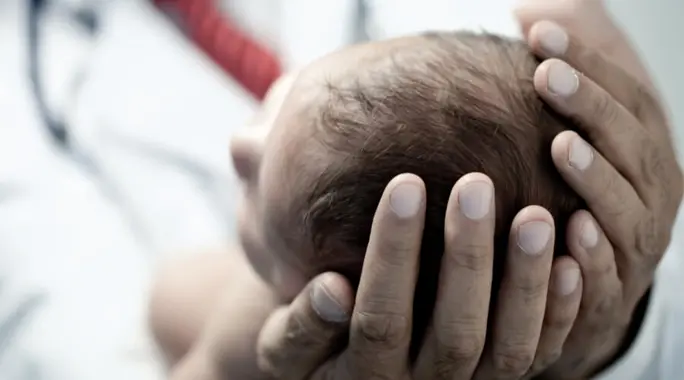
When a baby is born, their skull consists of several bone plates connected by flexible, fibrous joints called sutures. These sutures typically fuse over time, allowing the brain to grow. However, if these sutures fuse too early, a condition known as craniosynostosis occurs. This premature fusion can affect your child’s brain development and head shape.
Understanding craniosynostosis and its available treatments can feel overwhelming for parents. This article breaks down the various treatment approaches, recovery processes, and important considerations to help you navigate this condition with confidence.
Table of Contents
- What is Craniosynostosis?
- Understanding Craniosynostosis Treatment
- Factors Guiding Craniosynostosis Treatment Decisions
- Life After Craniosynostosis Surgery: What to Expect
- When to Seek Medical Attention
What is Craniosynostosis?
Craniosynostosis is a birth defect where one or more of the fibrous joints (sutures) between the bones of a baby’s skull close prematurely. This early fusion prevents the skull from expanding normally, potentially leading to an abnormally shaped head and, in some cases, pressure on the developing brain. Early diagnosis is key to effective craniosynostosis treatment.
Understanding Craniosynostosis Treatment
Surgery stands as the primary and most effective craniosynostosis treatment. Medical professionals often recommend performing the procedure before a child reaches their first birthday. Several surgical options exist, each tailored to specific types and severities of craniosynostosis.
Endoscopic Craniosynostosis Surgery: A Minimally Invasive Option
This method offers a less invasive alternative compared to traditional surgery. Surgeons perform endoscopic craniosynostosis surgery by making small incisions in the skull. Through these incisions, they insert an endoscope – a thin, flexible tube with a camera – to visualize and open the prematurely fused sutures. This allows the skull to expand naturally as the brain grows.
Typically, doctors perform this surgery when the child is between two and three months old. Its minimally invasive nature often means a lower risk of complications, and children rarely require blood transfusions. Patients usually return home the day after the procedure. Following surgery, the child wears a specialized helmet to help reshape the skull as it grows, requiring regular follow-up appointments.
Calvarial Vault Remodeling: The Traditional Approach
In this more extensive procedure, surgeons make a larger incision across the scalp. They then repair the affected area of craniosynostosis and meticulously reshape the skull bones to achieve a more natural, rounded form. This approach addresses complex cases or situations where endoscopic surgery is not suitable.
The calvarial vault remodeling surgery typically lasts about six hours. Children often spend a day in intensive care and several additional days in the hospital for recovery. Doctors usually perform this procedure after the child reaches six months of age. While this method generally doesn’t require post-operative helmet therapy, some children might need additional procedures in the future. Blood transfusions are also more commonly required with this traditional surgical approach.
Factors Guiding Craniosynostosis Treatment Decisions
Choosing the most appropriate craniosynostosis treatment depends on several critical factors. Your medical team will carefully consider each of these to recommend the best course of action for your child:
- The child’s age and overall health condition.
- The severity and extent of the craniosynostosis.
- The specific type of craniosynostosis present.
- The child’s tolerance for medications and the surgical procedure.
- The parents’ preferences and decisions regarding the recommended treatment.
Life After Craniosynostosis Surgery: What to Expect
Following any type of craniosynostosis surgery, your child will typically enter the intensive care unit. Medical staff closely monitor their oxygen levels and heart function until their condition stabilizes. Once stable, your child will move to a regular hospital room.
It’s normal for children to experience facial swelling after the procedure, which often peaks around the third day. This swelling can sometimes cause temporary eye closure. While concerning, it usually resolves on its own. Your medical team will provide detailed instructions for managing discomfort and recovery.
Post-Operative Care at Home
Adhering to post-operative care instructions is vital for your child’s recovery and the healing of the surgical site:
- Wash your child’s head gently with a mild shampoo, but avoid soaking their head in a bath.
- Do not apply creams or lotions to your child’s head or incision site unless specifically instructed by your doctor.
- Keep your child home from daycare until a doctor provides clearance after their post-operative check-up.
- Schedule follow-up visits with your surgeon, typically 7-10 days after the operation and again at six months.
When to Seek Medical Attention
While recovery usually progresses smoothly, it is crucial to recognize signs that might indicate a complication. Contact your doctor immediately or seek emergency medical care if you observe any of the following symptoms:
- A fever exceeding 38.3 degrees Celsius (101 degrees Fahrenheit).
- Bleeding or signs of infection, such as pus or excessive redness, at the surgical site.
- Excessive sleepiness or difficulty waking your child.
- Frequent vomiting or an inability for your child to keep down any fluids or food.