
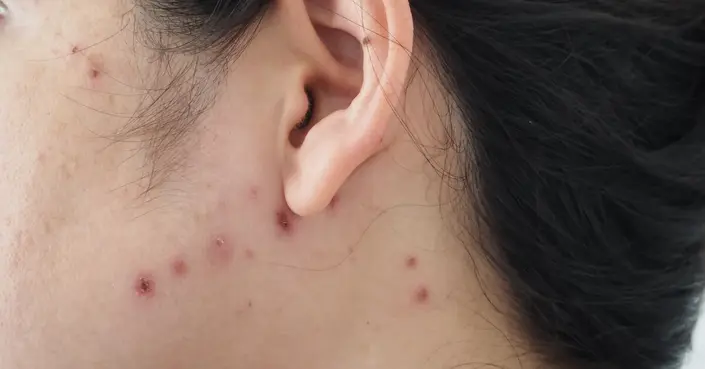
Have you ever wondered about that common childhood illness known for its itchy, blistery rash? Chickenpox, or varicella, is a highly contagious infection that most people experience at some point in their lives, especially before the widespread availability of its vaccine. Caused by the varicella-zoster virus (VZV), it typically presents as an uncomfortable skin rash with fluid-filled blisters.
While generally mild for healthy children, understanding chickenpox is crucial for proper management and recognizing when it might pose a greater risk. This guide will walk you through everything you need to know about this common viral infection.
In this comprehensive guide, we’ll explore:
- What Exactly Is Chickenpox (Varicella)?
- Recognizing Chickenpox Symptoms
- Who Is Most at Risk of Chickenpox?
- Effective Management and Treatment of Chickenpox
- Understanding Potential Complications
- Chickenpox and Pregnancy: What You Need to Know
What Exactly Is Chickenpox (Varicella)?
Chickenpox, known medically as varicella, is an infection triggered by the varicella-zoster virus (VZV). This virus leads to a characteristic itchy rash featuring small, fluid-filled blisters across the body. The virus is highly contagious and spreads easily from person to person.
Fortunately, a vaccine is now available that effectively protects children from chickenpox. Health organizations globally, including the Centers for Disease Control and Prevention (CDC), strongly recommend routine vaccination. Ensuring children receive their scheduled immunizations plays a vital role in preventing the spread of this illness.
Recognizing Chickenpox Symptoms
The hallmark itchy rash of chickenpox typically appears anywhere from 10 to 21 days after exposure to the virus. This rash usually lasts for about 5 to 10 days. However, certain signs and symptoms might surface a day or two before the rash even begins.
These initial symptoms often include a fever, a noticeable loss of appetite, a headache, and a general feeling of fatigue or malaise. Recognizing these early indicators can help in preparing for the onset of the rash.
The Distinct Stages of the Chickenpox Rash
Once the chickenpox rash emerges, it progresses through three distinct stages:
- Stage One: Small, pink or red bumps, known as papules, start to appear over several days.
- Stage Two: These papules develop into tiny, fluid-filled blisters, called vesicles, typically within about a day. They then burst and leak their contents.
- Stage Three: The broken blisters scab over and form crusts, which gradually heal over several days.
New bumps can continue to emerge for several days. This means you might observe all three stages of the rash—papules, blisters, and scabs—on your body at the same time. The virus remains contagious for up to 48 hours before the rash appears and continues to be infectious until all broken blisters have crusted over.
For most healthy children, chickenpox is generally a mild illness. However, in more severe instances, the rash can cover the entire body. Lesions may even form in sensitive areas like the throat, eyes, and mucous membranes of the urethra, anus, and vagina, causing significant discomfort.
Who Is Most at Risk of Chickenpox?
While chickenpox can affect anyone who hasn’t been vaccinated or previously infected, certain groups face a higher risk of contracting the virus or experiencing more severe forms of the disease. Understanding these risk factors can help in taking appropriate precautions.
Individuals most susceptible to infection include:
- Newborn infants.
- Adolescents.
- Pregnant women who have never had chickenpox before.
- Smokers.
- People with weakened immune systems due to medications, such as chemotherapy, or illnesses like cancer or HIV.
- Individuals taking steroid medications for other conditions, such as asthma.
Effective Management and Treatment of Chickenpox
Chickenpox often resolves on its own, especially with proper home care aimed at alleviating symptoms and promoting comfort. The primary goal of treatment is to manage the itchiness and other discomforts associated with the infection.
Here are some effective home remedies and management strategies:
- Rest: Allow your body ample rest and avoid strenuous daily activities.
- Fever Reduction: Take over-the-counter fever-reducing medications like acetaminophen (Tylenol) to manage fever. Avoid aspirin in children and teenagers with chickenpox due to the risk of Reye’s syndrome.
- Avoid Scratching: Resist the urge to scratch the blisters as much as possible to prevent infection and scarring. Keep fingernails short and consider wearing mittens for young children.
- Cool Baths: Take cool baths, possibly with added oatmeal or baking soda, to soothe itchy skin.
- Light Clothing: Wear loose-fitting, lightweight clothing to reduce irritation on the skin.
- Pain Relief: Over-the-counter pain relievers can help with headaches or general discomfort.
Understanding Potential Complications
While chickenpox is typically a mild illness, it can sometimes lead to serious complications, particularly in high-risk individuals. It’s important to be aware of these potential issues and seek medical attention if they arise.
Significant complications associated with chickenpox can include:
- Bacterial infections of the skin, soft tissues, bones, and joints.
- Dehydration.
- Pneumonia.
- Encephalitis (inflammation of the brain).
- Toxic shock syndrome.
- In very rare and severe cases, death.
Chickenpox and Pregnancy: What You Need to Know
Chickenpox during pregnancy poses specific concerns for both the mother and the developing baby. The timing of the infection during gestation significantly impacts the potential risks.
When a woman contracts chickenpox early in her pregnancy, there’s a higher risk of the baby being born with low birth weight and limb deformities. Furthermore, if the mother develops chickenpox in the week leading up to delivery or within two days after birth, her newborn faces a heightened risk of a severe, potentially life-threatening infection. Prompt medical consultation is crucial for pregnant women exposed to or infected with chickenpox.
Chickenpox, while a common and often self-limiting illness, still warrants attention and understanding. Vaccination remains the most effective way to prevent this contagious infection and its potential complications. For those who do contract it, knowing the symptoms, understanding risk factors, and implementing effective home management strategies can significantly ease discomfort. Always consult a healthcare professional for specific medical advice, especially concerning high-risk individuals or any unusual symptoms or complications.