



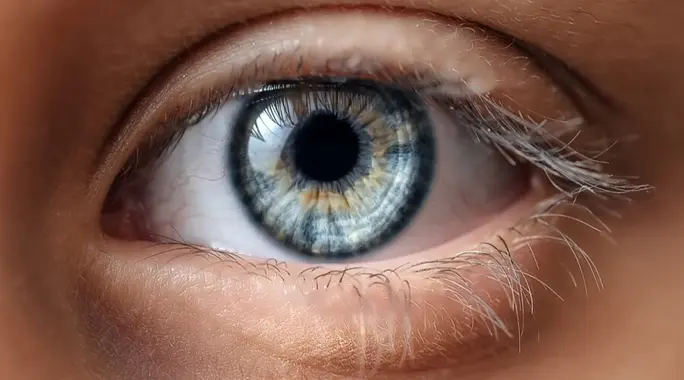
Many dream of having eyes a different shade—perhaps a piercing blue, an earthy hazel, or a vibrant green. The idea of transforming your eye color without invasive procedures is incredibly appealing. But is it truly possible to change your eye color without surgery, or are these just hopeful fantasies and risky ventures? In this comprehensive guide, we’ll dive deep into the science, explore popular methods, separate fact from fiction, and expose the potential dangers, helping you make informed decisions about your precious eyesight.
Table of Contents
- The Truth Behind Changing Eye Color Without Surgery
- Temporary Ways to Alter Eye Appearance
- Debunking Eye Color Change Myths and Unsafe Practices
- When Eye Color Changes Naturally or Due to Health
The Truth Behind Changing Eye Color Without Surgery
Your unique eye color, determined primarily by the concentration of melanin in your iris, is a genetic marvel. While many products and practices claim to offer a permanent, non-surgical solution to alter this natural hue, the scientific reality is straightforward: there is no proven, safe, and permanent method to fundamentally change your natural eye color without a medical procedure.
However, some temporary methods can create the illusion of a different eye color. It’s crucial to understand the distinction between temporary cosmetic effects and actual physiological change, especially when considering the potential health implications for your eyes.
Temporary Ways to Alter Eye Appearance
While a true, lasting change without surgery isn’t possible, you can temporarily modify the appearance of your eye color. These methods range from readily available cosmetic tools to less conventional approaches, each with its own set of considerations.
Cosmetic Contact Lenses: Risks You Must Know
Cosmetic contact lenses are perhaps the most popular and immediate way to change your eye color. Available in a wide array of colors, these lenses can transform your look instantly, whether you need vision correction or not. They are classified as medical devices and require a prescription, even for purely cosmetic use, to ensure proper fit and minimize health risks.
However, misusing contact lenses or purchasing them from unregulated sources carries significant dangers:
- Risk of Infection: Improper hygiene, like not cleaning lenses adequately or sleeping in them, can lead to severe eye infections, potentially causing permanent vision loss or even blindness.
- Eye Irritation: Poorly fitted lenses or cheap materials can cause redness, itching, excessive tearing, and general discomfort.
- Corneal Damage: Scratches or abrasions on the cornea are common with improper lens insertion, removal, or extended wear, making your eye vulnerable to infection.
- Blurred Vision: Unsuitable lenses can distort your vision, leading to blurriness or halos, especially if purchased without a professional fitting.
Always consult an eye care professional for a proper fitting and prescription. Purchase lenses only from reputable sources and follow all cleaning and wear instructions diligently to safeguard your eye health.
Using Makeup to Enhance or Shift Eye Hue
Makeup offers a safe and non-invasive way to make your eyes appear brighter, darker, or to subtly shift their perceived color. By using specific shades and techniques, you can enhance your natural eye color or create the illusion of a different one.
Consider these tips to subtly alter how your eye color is perceived:
- Embrace Contrasting Shadows: For blue eyes, try brown or copper shadows to make the blue pop. Green eyes can be intensified with purple or plum shades. For brown eyes, experiment with blue or green liners to bring out subtle undertones.
- Warm-Toned Liners and Mascaras: Instead of harsh black, opt for brown, bronze, or even colored eyeliners and mascaras. These softer tones can make the whites of your eyes appear brighter and subtly influence how your natural iris color is perceived, making it seem lighter or more vibrant.
Debunking Eye Color Change Myths and Unsafe Practices
The internet is rife with claims about “natural” ways to change eye color. However, many of these methods are unproven, ineffective, and, more importantly, can be incredibly dangerous to your vision. It’s vital to differentiate between harmless myths and genuinely harmful practices.
The Diet Theory: Can Food Really Change Eye Color?
One persistent theory suggests that a specific diet, particularly a raw food diet rich in certain nutrients, can alter eye color over time. This claim posits that consuming uncooked foods preserves glutathione, a substance believed to influence melanin production and, consequently, eye pigmentation. Foods like chamomile tea, honey, chocolate, bananas, ginger, nuts, onions, olive oil, and spinach are often cited as potential “eye-lightening” agents.
Despite anecdotal accounts, there is no scientific evidence or clinical research to support the idea that diet can permanently change your eye color. While a healthy diet contributes to overall well-being, including eye health, it does not possess the power to alter the genetic makeup of your iris.
Harmful Homemade Remedies to Avoid
The allure of a quick, natural fix often leads people to try dangerous homemade remedies. Applying unsterilized substances directly to your eyes can cause serious harm:
- Honey and Warm Water Mixtures: Some suggest applying a mixture of honey and warm water to lighten eyes. This is extremely risky. Neither tap water nor honey is sterile, and introducing them into your eyes can lead to severe bacterial infections, inflammation, and potential vision damage.
- Castor Oil: Another popular but misguided recommendation is using castor oil to change eye color. Castor oil does not alter eye pigmentation. Furthermore, applying any unapproved oil directly into your eyes is unsafe and can cause irritation, blurred vision, and potentially damage delicate structures like the retina and iris.
Never put anything into your eyes that is not specifically designed and approved for ophthalmic use by a medical professional.
When Eye Color Changes Naturally or Due to Health
While you can’t intentionally change your eye color without surgery, it’s worth noting that eye color can shift naturally during certain life stages or as a symptom of underlying health conditions. Understanding these changes is crucial for monitoring eye health.
Newborn Eye Color: A Common Transformation
It’s quite common for a newborn’s eye color to change during their first few months or even up to a year. Many babies are born with blue or grayish-blue eyes because their melanin production hasn’t fully developed or been activated by light exposure. As they grow, their eyes may gradually darken to green, hazel, or brown as more melanin is produced and deposited in the iris. This natural process typically stabilizes by the time the child is around one year old.
Medical Conditions That Alter Eye Pigmentation
In adults, a sudden or significant change in eye color is not normal and can be a sign of a serious underlying medical condition. If you notice an abrupt shift in the color of one or both of your eyes, it’s imperative to seek immediate medical attention from an ophthalmologist. Potential conditions that can cause eye color changes include:
- Horner Syndrome: A rare disorder affecting the sympathetic nervous system, which can cause one pupil to be smaller and the affected iris to be lighter in color.
- Uveitis: Inflammation of the uvea (the middle layer of the eye), which can lead to changes in iris color, often accompanied by pain and redness.
- Fuchs Heterochromic Iridocyclitis: A chronic, low-grade inflammation that typically affects one eye, causing a gradual lightening of the iris and potentially leading to cataracts or glaucoma.
- Iridocorneal Endothelial (ICE) Syndrome: A group of rare disorders that affect the cornea and iris, potentially leading to changes in iris texture and color, and increasing the risk of glaucoma.
Especially if your eyes change from a lighter shade (like blue or green) to brown, or if one eye changes color, consult a doctor immediately. Early diagnosis and treatment are essential for protecting your vision and addressing the underlying cause.
While the desire to change your eye color without surgery is understandable, the reality is that truly altering your natural iris pigmentation is not safely possible through non-surgical means. Cosmetic contact lenses and strategic makeup application offer temporary solutions to modify your eye’s appearance, but they come with their own set of precautions, particularly for contact lenses.
It’s crucial to reject unproven and dangerous home remedies that promise dramatic results, as these can severely compromise your vision. Remember that significant or sudden changes in eye color in adults warrant immediate medical consultation, as they can signal underlying health issues. Prioritize the health and safety of your eyes above all cosmetic desires.