



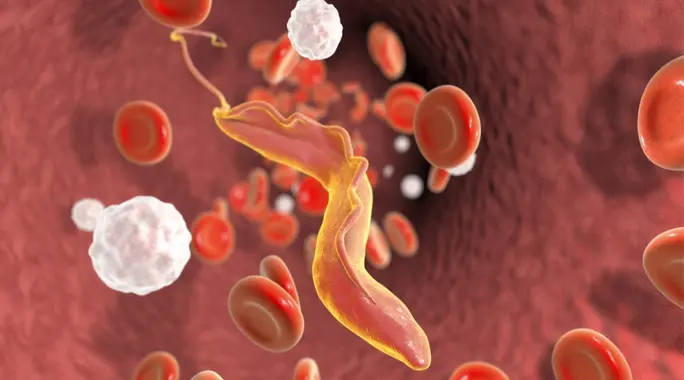
Chagas disease, also known as American trypanosomiasis, presents a significant public health challenge, particularly in Latin America. This parasitic infection, often silently progressing, carries serious long-term consequences if left untreated.
Caused by the Trypanosoma cruzi parasite and primarily transmitted by the triatomine bug—infamously dubbed the “kissing bug”—Chagas disease can lead to severe heart and digestive problems, even death. Understanding how this disease spreads, recognizing its subtle symptoms, and knowing your treatment options are crucial steps for protection.
- What is Chagas Disease (American Trypanosomiasis)?
- How Chagas Disease Spreads: Understanding Transmission
- Recognizing the Signs: Chagas Disease Symptoms
- Diagnosing Chagas Disease: What to Expect
- Treating Chagas Disease: Early Intervention is Key
What is Chagas Disease (American Trypanosomiasis)?
Chagas disease is an illness typically transmitted to humans and animals through triatomine bugs. These insects often carry the Trypanosoma cruzi parasite, the pathogen responsible for the disease.
Infection primarily occurs when an infected bug leaves its parasite-laden feces on the skin after biting. The parasites then invade the body, often when an individual inadvertently rubs them into the bite wound, eyes, or mouth. However, this is not the only route of transmission; the disease can also spread through other means, such as contaminated blood transfusions.
Many people with Chagas disease experience no immediate symptoms, which makes early detection challenging. If the infection remains untreated, it can become chronic, leading to severe issues in the heart and digestive system over time. Ultimately, these complications can be fatal.
The triatomine bugs that transmit Chagas disease primarily inhabit certain regions, notably Latin American countries, which are their original home. While the disease was once confined to rural areas in these nations, increased travel and migration have allowed it to spread to other parts of the world.
How Chagas Disease Spreads: Understanding Transmission
The triatomine bug serves as the primary vector for Chagas disease. These insects feed on the blood of humans and other mammals. When a bug bites and ingests blood from an infected person or animal carrying Trypanosoma cruzi parasites, it becomes capable of transmitting the disease.
After biting a person, the infected bug often urinates or defecates on the skin near the bite area. These feces contain the disease-causing parasites. Triatomine bugs frequently bite people on the face, which earns them the common moniker “kissing bug.”
When an infected person then rubs their skin, these parasites can enter the body through the nose, mouth, eyes, or any open wounds or sores on the skin. Once inside, the parasites establish an infection.
Beyond the Bite: Other Ways Chagas Disease Can Transmit
While insect bites are the most common route, Chagas disease can also spread through several other channels:
- Contaminated Food: Consuming food contaminated with the feces of an infected triatomine bug.
- Organ Transplantation: Receiving an organ transplant from an individual infected with the parasites.
- Blood Transfusion: Undergoing a blood transfusion from a person carrying the parasites in their blood.
- Laboratory Exposure: Accidental exposure to the parasites in a laboratory setting.
- Mother-to-Child Transmission: Pregnant individuals can pass the parasites to their babies during pregnancy or childbirth.
Individuals who have traveled to countries where the disease is prevalent, particularly in South America, face a higher risk of exposure.
Recognizing the Signs: Chagas Disease Symptoms
Chagas disease typically progresses through two distinct phases, each with its own set of potential symptoms.
The Acute Phase: Early Symptoms and Silent Infection
During the acute phase, many infected individuals remain asymptomatic. If symptoms do appear, they are usually mild and begin approximately one week after exposure to the contaminated material. Key symptoms include:
- Skin rash
- Fatigue and exhaustion
- Fever
- General weakness
- Headache
- Muscle aches
- Loss of appetite, diarrhea, and vomiting
- Swollen lymph nodes
- Eyelid swelling (known as Romaña’s sign), especially if the parasites entered through the eye area
- Sores and swelling at the site where parasites initially penetrated the body
These acute symptoms often subside within several weeks or months, even without specific treatment, as the disease enters a quiescent period. However, the disappearance of symptoms does not mean the parasites have left the body. They can persist for many years or even decades, eventually leading to the more dangerous chronic phase.
The Chronic Phase: Long-Term Complications
If Chagas disease progresses to its chronic stage, severe complications often develop in the heart and digestive system. The parasites infiltrate heart muscle and the walls of the digestive tract, leading to symptoms such as:
- Difficulty swallowing and problems with bowel movements
- Enlargement of organs like the heart, colon, and esophagus
- Digestive disorders, including chronic constipation
- Heart failure
- Abdominal pain
- Blood clots
- Irregular heart rhythms
- Sudden cardiac arrest
This phase of the disease can emerge much later, with symptoms often appearing 10 to 30 years after the initial infection.
Diagnosing Chagas Disease: What to Expect
Healthcare providers employ various procedures to diagnose Chagas disease:
- Physical Examination: A doctor will conduct a physical exam to check for disease indicators, such as a rapid heart rate or enlarged internal organs.
- Diagnostic Tests: Several tests help confirm the diagnosis, including chest X-rays, blood cultures, and echocardiograms (ultrasounds of the heart).
Treating Chagas Disease: Early Intervention is Key
Chagas disease is most effectively treated, and the parasites completely eliminated, when specific antiparasitic medications are administered shortly after infection. The most effective antiparasitic drugs for targeting Chagas disease parasites are:
- Benznidazole
- Nifurtimox
If the disease has progressed to its chronic stage, you should consult a doctor to discuss appropriate treatment strategies. While treatment can manage symptoms and complications in the chronic phase, if the disease causes severe issues like heart failure, it can unfortunately lead to a patient’s death within a few years.