



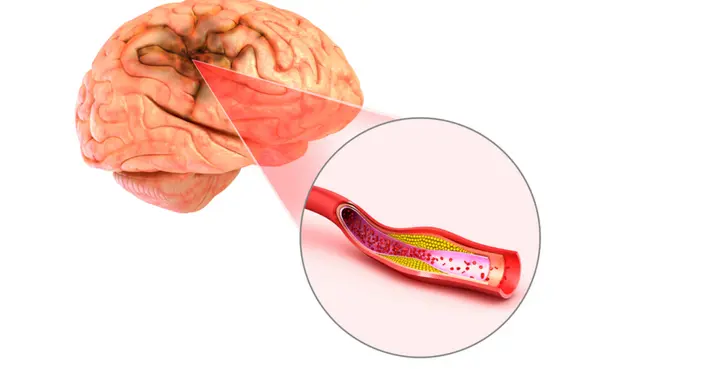
Our brain is the command center of our body, vital for every thought, movement, and sensation. When blood flow to the brain is compromised, it can lead to a serious condition known as cerebral ischemia. This lack of adequate blood supply means the brain isn’t receiving enough oxygen and nutrients, which can cause significant damage if not addressed promptly. Understanding the warning signs of cerebral ischemia is incredibly important for seeking immediate medical care.
This article will guide you through the critical symptoms of cerebral ischemia, delve into its potential long-term complications, and highlight effective strategies to help prevent its occurrence. Recognizing these key details can empower you to act quickly and protect brain health.
- What is Cerebral Ischemia?
- Recognizing Cerebral Ischemia Symptoms
- Understanding the Complications of Cerebral Ischemia
- Preventing Cerebral Ischemia: Key Strategies
- Conclusion
What is Cerebral Ischemia?
Cerebral ischemia occurs when there’s an interruption or significant reduction in blood flow to a part of the brain. Blood carries essential oxygen and glucose, and without a steady supply, brain cells can quickly become damaged or die. This condition often strikes suddenly, particularly in older individuals or those with underlying chronic health conditions.
Conditions like a blood clot or a hemorrhage in the brain’s blood vessels can restrict blood flow, leading to cerebral ischemia. The speed at which you identify and address these issues directly impacts the outcome, making symptom awareness critical for preventing permanent brain damage and functional impairment.
Recognizing Cerebral Ischemia Symptoms
When the brain lacks sufficient blood supply, it can manifest a range of symptoms. These signs often appear rapidly and can vary in intensity from mild and fleeting to severe and persistent. Recognizing these symptoms quickly is paramount for receiving timely medical intervention.
- Numbness or Weakness: You might experience sudden numbness, tingling, or weakness in your face, arm, or leg, typically on one side of your body. This can range from a subtle loss of sensation to complete paralysis.
- Sudden, Severe Headache: An intense, sudden headache, often described as the “worst headache of your life,” can occur. This might also be accompanied by nausea and vomiting.
- Vision Changes: Vision problems can include blurred vision, partial or complete loss of vision in one or both eyes, or experiencing double vision.
- Speech Difficulties: You might struggle to speak clearly, form coherent sentences, or understand what others are saying. This is often described as slurred speech or aphasia.
- Difficulty Swallowing: Trouble swallowing (dysphagia) can indicate impaired brain function affecting the muscles responsible for this action.
- Dizziness and Balance Issues: You might feel sudden dizziness, lose your balance, or struggle to walk steadily. In severe cases, this can lead to a loss of consciousness.
- Loss of Bladder Control: In some instances, a person might lose control over their bladder, resulting in involuntary urination.
- General Fatigue and Weakness: An overwhelming sense of fatigue or general body weakness can also be a symptom.
- Abnormal Pupil Size or Response: Your pupils might appear abnormal in size or not react typically to light.
- Drooping Eyelid: A sudden drooping or relaxation of one eyelid (ptosis) can be a visual sign.
- Loss of Muscle Coordination: You may notice a sudden inability to coordinate movements, leading to clumsiness.
The severity and specific presentation of these symptoms can differ significantly from person to person. If you or someone you know experiences one or more of these symptoms, even if they seem minor or resolve quickly, seek emergency medical attention immediately. Prompt treatment can make a critical difference in preventing permanent brain damage.
Understanding the Complications of Cerebral Ischemia
The complications of cerebral ischemia depend heavily on how long the brain experienced reduced blood flow and the extent of damage to brain cells. The longer the brain is deprived of oxygen and nutrients, the more severe and lasting the consequences can be. These complications can significantly impact a person’s quality of life and independence.
Potential Long-Term Effects Include:
- Physical Impairment and Paralysis: Many individuals may experience an inability to control certain body parts or even paralysis, often affecting one side of the body and face. This can also lead to persistent pain or numbness in the affected areas.
- Communication and Swallowing Difficulties: Ischemia can impair your ability to speak clearly, understand language, or swallow food effectively. Rehabilitation with physical and speech therapists is crucial for regaining these functions.
- Cognitive Impairment: Memory loss, difficulty concentrating, impaired decision-making, and trouble understanding spoken or written information are common cognitive challenges.
- Emotional and Psychological Changes: It’s common for individuals to struggle with emotional control. This often manifests as increased susceptibility to depression, anxiety, and social isolation.
- Loss of Independence: Depending on the severity of physical and cognitive impairments, a person might lose the ability to perform daily activities, manage household tasks, or care for themselves independently.
Early intervention is vital not only for survival but also for minimizing the extent of these debilitating long-term complications.
Preventing Cerebral Ischemia: Key Strategies
While some risk factors for cerebral ischemia, such as age or gender, are beyond our control, you can adopt several proactive measures to significantly reduce your risk or prevent a recurrence. Implementing a healthy lifestyle and managing existing medical conditions are crucial steps.
Effective Prevention Methods Include:
- Manage Blood Pressure: Keep your blood pressure under control. If you have hypertension, consistently take prescribed medications and follow your doctor’s recommendations.
- Control Blood Sugar: Maintain normal blood sugar levels, especially if you have diabetes. This involves adhering to prescribed medications and adopting a healthy lifestyle, including diet and exercise.
- Adopt a Heart-Healthy Diet: Focus on a diet rich in fiber, fresh fruits, vegetables, and healthy fats. Limit your intake of saturated and trans fats to help maintain a healthy weight and prevent high cholesterol, which can contribute to arterial plaque buildup.
- Engage in Regular Physical Activity: Aim for at least 30 minutes of moderate-intensity exercise most days of the week. Activities like brisk walking, jogging, or swimming can significantly improve cardiovascular health.
- Avoid Harmful Habits: Steer clear of unhealthy habits such as excessive alcohol consumption. Most importantly, quit smoking entirely, as smoking severely damages blood vessels and increases stroke risk.
By diligently following these preventive strategies, you empower yourself to protect your brain’s health and reduce the likelihood of experiencing cerebral ischemia.
Conclusion
Cerebral ischemia is a critical medical emergency requiring immediate attention. Recognizing its symptoms quickly, understanding its severe complications, and actively engaging in preventive measures are essential for protecting brain function and overall well-being. By being informed and proactive, you can significantly reduce your risk and ensure prompt care when every second counts.