
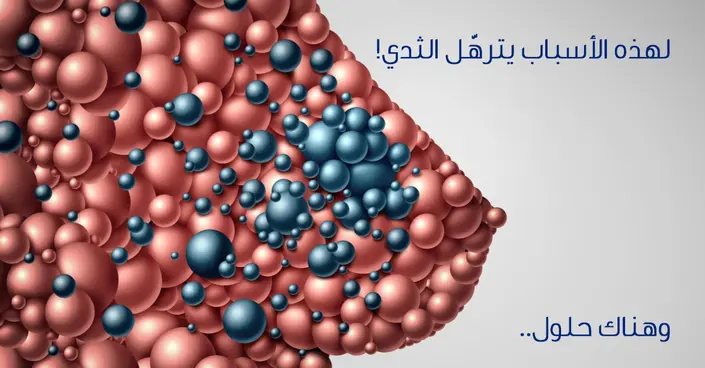
Many women worry about breast sagging, also known as breast ptosis, often attributing it solely to factors like breastfeeding. However, the truth is more nuanced. Understanding the various reasons why breasts can lose their firmness and identifying effective preventive measures can empower you with knowledge. This article explores the primary causes behind breast sagging, offers practical tips to maintain breast health, and busts common myths that often circulate.
Table of Contents
- Understanding Breast Sagging: Key Causes
- Effective Strategies for Preventing Breast Sagging
- Debunking Common Breast Sagging Myths
Understanding Breast Sagging: Key Causes
Several factors contribute to breast sagging. It’s often a combination of these elements rather than a single cause. Knowing what influences breast firmness helps you understand why these changes occur.
Pregnancy and Breast Changes
Each pregnancy significantly impacts breast tissue. During pregnancy, breasts enlarge as milk glands prepare for lactation, regardless of whether you choose to breastfeed. After childbirth and weaning, breasts typically return to their pre-pregnancy size. This repeated stretching and shrinking of the skin and ligaments often leads to a loss of elasticity and subsequent sagging.
Original Breast Size and Shape
Your natural breast size and shape also play a role. Women with smaller, more rounded breasts often experience less dramatic sagging after pregnancy compared to those with larger breasts. Larger breasts, by their very weight, tend to stretch the supporting ligaments more significantly over time, making them more prone to sagging.
Significant Weight Gain
Fluctuations in weight, especially substantial weight gain during pregnancy or at other times, can affect breast firmness. When you gain a considerable amount of weight, your breast tissue expands. If you then lose that weight rapidly, the skin may struggle to retract fully, leading to increased sagging. Maintaining a stable weight helps preserve skin elasticity.
The Impact of Smoking
Smoking severely damages collagen and elastin, the proteins responsible for skin’s strength and elasticity. Over time, this damage causes the skin to lose its natural resilience. Smokers are therefore more susceptible to premature breast sagging because their skin cannot effectively recover its original tautness after stretching.
Genetic Predisposition
Your genetics significantly influence breast shape, size, and the strength of your breast ligaments. If your mother or other close female relatives experienced early or pronounced breast sagging, you might have a genetic predisposition. Genes also impact skin elasticity and overall body weight distribution.
The Natural Process of Aging
Aging is an unavoidable factor in breast sagging. As you age, your skin naturally loses collagen and elastin, becoming less firm and resilient. Gravity also continuously pulls on breast tissue, gradually stretching the Cooper’s ligaments that support the breasts. While some women experience this earlier, it’s a universal aspect of the aging process.
Effective Strategies for Preventing Breast Sagging
While you cannot completely halt the natural process of sagging, you can adopt several proactive measures to delay its onset and maintain breast health:
- Maintain a Healthy Weight: Avoid significant fluctuations in weight. Gradual weight loss, if needed, is always better for your skin than rapid changes.
- Prioritize Skin Hydration: Regularly apply a quality moisturizer to your breast area. Hydrated skin maintains better elasticity.
- Quit Smoking: Eliminating smoking is crucial. This single action can significantly improve your skin’s overall health and ability to regenerate collagen and elastin.
- Wear a Supportive Bra: Choose a well-fitting, supportive bra, especially during physical activity or if you have larger breasts. A good bra reduces the strain on your Cooper’s ligaments.
Debunking Common Breast Sagging Myths
Misconceptions about breast sagging are common. Let’s separate fact from fiction and clarify what truly influences breast firmness.
Myth: Breastfeeding Alone Causes Sagging
Fact: The primary cause of breast changes is pregnancy itself, not breastfeeding. Hormonal shifts and the expansion of milk ducts during pregnancy stretch the breast tissue. Even if you don’t breastfeed, your breasts undergo these significant changes, which contribute to sagging after they return to their normal size.
Myth: Supportive Bras Prevent Sagging
Fact: While wearing a supportive bra can provide comfort and temporarily improve breast shape, no scientific evidence conclusively proves that bras prevent sagging entirely. Their main role is to offer support and reduce movement, which can prevent discomfort and further stretching during activities.
Myth: Specific Exercises Can Prevent Sagging
Fact: Breasts consist primarily of fatty tissue, not muscle. Therefore, direct exercises cannot target and firm the breast tissue itself. However, pectoral muscle exercises (like push-ups or chest presses) can strengthen the muscles underneath the breasts. This provides a stronger foundation, potentially giving the appearance of lift, but it won’t directly prevent sagging of the breast tissue.
Myth: Small Breasts Don’t Sag
Fact: All breasts, regardless of size, are subject to gravity and the natural aging process. While smaller breasts might show the effects of sagging less prominently or later than larger breasts, they are not immune. Over time, skin elasticity decreases, and gravity takes its toll on all breast sizes.
Breast sagging is a natural part of life for many women, influenced by a complex interplay of factors including pregnancy, genetics, weight fluctuations, and aging. While you cannot stop the process entirely, adopting healthy lifestyle habits and understanding the true causes can help you manage and potentially delay its progression. Focus on overall well-being and embrace accurate information to make informed choices about your breast health.