
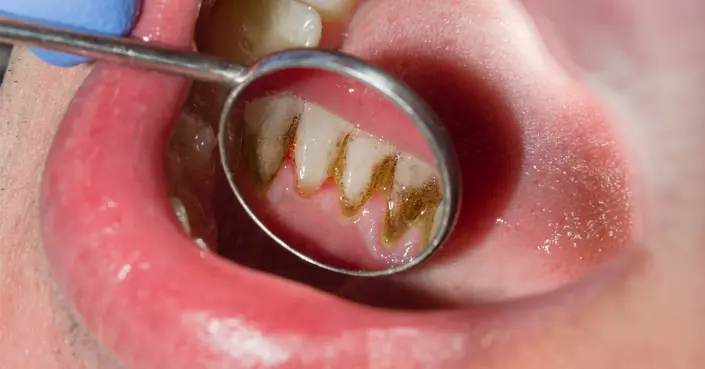
Have you ever noticed a dark, stubborn buildup on your teeth? While many are familiar with common yellow or brown dental tartar, black dental tartar presents a more serious concern. This article dives deep into understanding what black dental tartar is, why it appears, the telltale symptoms to watch for, and how you can effectively treat and prevent it to protect your oral health.
Table of Contents
- What Exactly is Black Dental Tartar?
- Recognizing the Signs: Symptoms of Black Dental Tartar
- Effective Treatment for Black Dental Tartar
- Preventing Black Dental Tartar: Your Oral Care Guide
- Conclusion
What Exactly is Black Dental Tartar?
Dental tartar, also known as calculus, forms when plaque—a sticky, colorless film of bacteria, food particles, and acids—hardens on your teeth. If you don’t remove plaque through regular brushing and flossing, it mineralizes and transforms into tartar. While tartar often appears yellow or brown, its color can range significantly, with black being a particularly alarming shade.
Black dental tartar typically develops beneath the gum line or on the inner surfaces of your molars, making it less visible but potentially more damaging. Its dark color often results from exposure to fluids from the gums and blood in the affected area, indicating a more advanced stage of oral health issues, such as gum disease.
Recognizing the Signs: Symptoms of Black Dental Tartar
Black dental tartar isn’t just an aesthetic problem; it’s a strong indicator of underlying oral health concerns. Watch out for these accompanying symptoms:
- Red and Swollen Gums: Your gums may appear inflamed and tender to the touch.
- Bleeding Gums: You might notice bleeding, especially when brushing or flossing your teeth.
- Severe Bad Breath: Persistent halitosis that doesn’t improve with regular brushing.
- Black Spots at the Tooth Base: Visible dark discoloration where your teeth meet the gum line.
- Hard, Dark Deposits: You might feel rough, hard black deposits covering parts of your tooth surfaces.
- Gaps Between Teeth: Tartar buildup can push teeth apart, creating noticeable spaces.
- Loose Teeth: In severe cases, the supporting structures of your teeth can weaken, leading to mobility.
Effective Treatment for Black Dental Tartar
Unlike plaque, you cannot remove dental tartar with regular brushing or flossing at home. Black dental tartar requires professional intervention by a dental expert. A dentist or dental hygienist uses specialized tools to safely and thoroughly clean your teeth and gums, effectively removing the hardened deposits and preventing further complications.
Regular dental check-ups and professional cleanings every six months are crucial for managing and preventing tartar buildup. These routine visits allow your dentist to monitor your oral health, address any emerging issues promptly, and provide comprehensive cleaning that reaches areas your toothbrush might miss.
Preventing Black Dental Tartar: Your Oral Care Guide
Protecting your smile from black dental tartar involves a combination of consistent daily hygiene and smart lifestyle choices. Here are key preventive strategies:
Daily Oral Hygiene Habits
- Brush Regularly and Thoroughly: Brush your teeth twice a day for at least two minutes each time, using a fluoride toothpaste.
- Choose the Right Toothbrush: Opt for a soft-bristled toothbrush that can reach all tooth surfaces effectively. Many dental professionals also recommend electric toothbrushes for their superior plaque removal capabilities.
- Floss Daily: Use dental floss every day to remove food particles and plaque from between your teeth and under the gum line, areas your toothbrush cannot reach.
- Use Antiseptic Mouthwash: Incorporate a daily antiseptic mouthwash into your routine to help reduce bacteria in your mouth and further prevent plaque buildup.
Smart Lifestyle Choices
- Limit Sugary Foods and Drinks: Sugars feed the bacteria in your mouth, accelerating plaque formation. Reduce your intake of sweets and sugary beverages.
- Avoid Smoking: Smoking significantly increases your risk of developing tartar, gum disease, and other oral health problems. Quitting smoking dramatically improves your oral health.
Conclusion
Black dental tartar signals a significant need for attention to your oral hygiene. While it might look daunting, understanding its causes, recognizing its symptoms, and committing to professional treatment and preventive measures empowers you to take control of your dental health. Prioritize regular dental visits and maintain a diligent daily oral care routine to ensure a healthy, vibrant smile free from black dental tartar.