
Heavy periods, medically known as menorrhagia, can significantly impact your health, often leading to a common condition called anemia. If you frequently find yourself using more sanitary products than usual or notice changes in your flow, it might be a sign that heavy bleeding is putting you at risk for iron deficiency anemia. Understanding the link between anemia and your menstrual cycle is the first step toward managing your health and reclaiming your energy.
Table of Contents
- Understanding Anemia: The Impact of Low Iron
- The Link Between Heavy Periods and Anemia
- Diagnosing Anemia: What to Expect
- Effective Strategies for Managing Anemia and Heavy Periods
- Boosting Iron Through Your Diet
- Conclusion
Understanding Anemia: The Impact of Low Iron
Iron deficiency anemia occurs when your body lacks sufficient iron to produce enough healthy red blood cells. Red blood cells are crucial because they carry oxygen from your lungs to the rest of your body’s tissues and organs.
When iron levels are too low, your body cannot produce enough red blood cells, leading to inadequate oxygen delivery. This can leave your tissues and organs starved of the oxygen they need to function properly, resulting in a range of uncomfortable symptoms.
The Link Between Heavy Periods and Anemia
Women of childbearing age are particularly susceptible to iron deficiency anemia, primarily due to monthly blood loss from menstruation. Heavy menstrual bleeding, medically known as menorrhagia, is a significant risk factor, as is experiencing severe bleeding over several consecutive cycles.
Each month, blood loss during your period depletes your body’s iron stores. If this loss is excessive and not compensated by dietary intake or supplements, your body’s iron reserves can become dangerously low, leading to anemia.
Recognizing the Signs: Symptoms of Iron Deficiency Anemia
Anemia often presents with clear indicators. If you notice any of these symptoms, consider seeking medical advice:
- Persistent Fatigue and Lethargy: Feeling unusually tired and lacking energy, even after sufficient rest.
- Shortness of Breath: Experiencing breathlessness, especially during light physical activity.
- Heart Palpitations: A sensation of a racing or pounding heart.
- Pale Skin: Noticeable paleness, particularly on your face, inner eyelids, or nail beds.
Common Causes of Iron Deficiency Anemia
While heavy periods are a leading cause, several other factors can contribute to iron deficiency anemia:
- Heavy Menstrual Bleeding: The primary focus for women in their reproductive years.
- Pregnancy: Increased iron demand to support both mother and developing baby.
- Poor Nutrition: Not consuming enough iron-rich foods in your daily diet.
- Gastrointestinal Bleeding: Often seen in individuals over 40, potentially due to certain medications (like anti-inflammatory drugs), stomach ulcers, or gastrointestinal cancers.
- Malabsorption Issues: Conditions that hinder the body’s ability to absorb iron from food.
Diagnosing Anemia: What to Expect
If you suspect anemia, a simple blood test can confirm the diagnosis. Your doctor will likely order a complete blood count (CBC) to check your red blood cell count and hemoglobin levels, as well as ferritin levels to assess your body’s iron stores. These tests provide a clear picture of your iron status.
Effective Strategies for Managing Anemia and Heavy Periods
Treating anemia, especially when linked to heavy periods, involves a dual approach: restoring iron levels and addressing the cause of excessive bleeding.
Iron Supplementation
Your doctor may prescribe iron supplements, often in the form of ferrous sulfate tablets, typically taken two to three times daily. These supplements effectively replenish your body’s iron stores.
Some individuals experience side effects like constipation, diarrhea, heartburn, dark stools, or abdominal pain. These often improve with time or by adjusting the dosage or type of supplement. Always follow your doctor’s instructions.
Addressing the Root Cause of Heavy Periods
Simply taking iron supplements may not be enough if the underlying cause of your blood loss isn’t managed. If heavy menstrual bleeding is the culprit, your doctor might recommend specific medications to regulate your cycle and reduce blood flow.
In some severe cases, medical professionals may consider surgical interventions to manage menorrhagia. Regular follow-up appointments and blood tests are essential to monitor your progress and the effectiveness of your treatment plan.
Boosting Iron Through Your Diet
Diet plays a critical role in managing and preventing iron deficiency. Incorporating iron-rich foods and understanding what affects absorption can make a big difference.
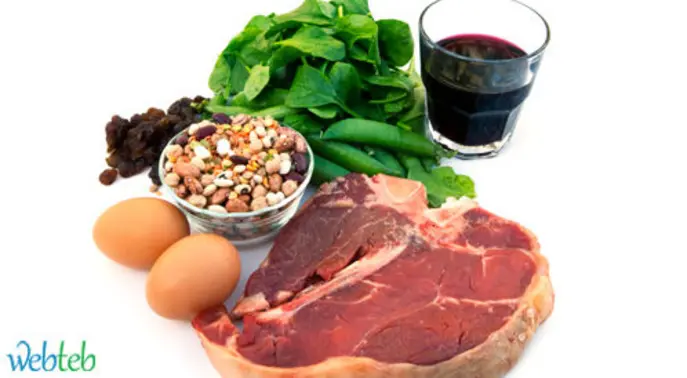
Iron-Rich Foods to Include
Make these foods a regular part of your diet to help boost your iron intake:
- Animal Products: Liver, red meat, chicken, fish.
- Plant-Based Proteins: Tofu, lentils, fava beans, nuts, seeds.
- Dark Leafy Greens: Spinach, watercress, kale.
- Fortified Grains: Iron-fortified whole grains, whole-grain bread, brown rice.
- Eggs: A good source of bioavailable iron.
- Dried Fruits: Apricots, prunes, raisins.
Foods and Habits That Affect Iron Absorption
Certain foods and habits can either enhance or inhibit iron absorption:
- Enhance Absorption with Vitamin C: Pair iron-rich foods with sources of Vitamin C, such as citrus fruits, kiwi, or bell peppers. Vitamin C significantly improves your body’s ability to absorb iron.
- Limit Calcium with Iron: Calcium can interfere with iron absorption. Try to avoid consuming calcium-rich foods like milk and dairy products simultaneously with your main iron-rich meals.
- Reduce Tea and Coffee Intake: Tannins found in tea and coffee can inhibit iron absorption. It’s best to consume these beverages between meals rather than with them.
- Be Mindful of Phytic Acid: Whole grains contain phytic acid, which can also hinder iron absorption. Soaking or sprouting grains can help reduce phytic acid content.
- Avoid Antacids: Over-the-counter antacids and proton pump inhibitors can reduce stomach acid, which is necessary for iron absorption. Discuss alternatives with your doctor if you rely on these medications.
Conclusion
The connection between anemia and heavy periods is clear, but understanding it empowers you to take control of your health. By recognizing symptoms, seeking timely diagnosis, adhering to treatment, and making informed dietary choices, you can effectively manage anemia and alleviate its impact on your life. Always consult with a healthcare professional to determine the best course of action for your specific situation.