
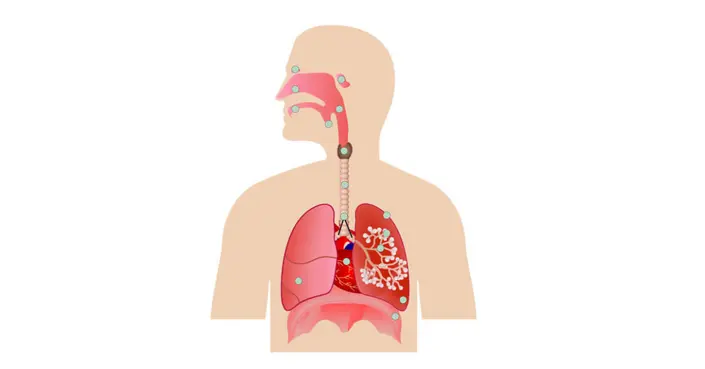
Your lungs are unsung heroes, working tirelessly every second of every day to keep you alive and thriving. These remarkable organs are the cornerstone of your respiratory system, responsible for delivering life-giving oxygen to every cell in your body and expelling waste carbon dioxide.
But how much do you truly know about them? Understanding your lungs’ intricate design and vital functions empowers you to make better choices for their health. Dive into this comprehensive guide to uncover fascinating facts about your lungs and learn actionable tips to keep them performing at their best.
Table of Contents
- Essential Facts About Your Lungs
- The Crucial Role of Mucus in Lung Health
- Top Strategies for Maintaining Healthy Lungs
- Conclusion
Essential Facts About Your Lungs
The lungs serve as the primary organs of the respiratory system, facilitating the intake of essential oxygen and the expulsion of carbon dioxide. Let’s explore some key aspects of these vital organs.
Understanding Lung Anatomy: Key Components
Your lungs are complex organs with several distinct parts:
- The right lung features three balloon-like sections known as lobes, filled with spongy tissue. In contrast, the left lung has only two lobes, making space for your heart. Both lungs reside within a specialized membrane called the pleura, which separates them from the chest wall.
- Bronchial tubes connect your lungs to your throat and mouth. These tubes are lined with tiny hairs called cilia, which move in wave-like patterns, pushing mucus up your throat.
- Cilia are crucial for carrying dust, germs, and other unwanted particles out of your lungs. You then expel these irritants through sneezing or coughing.
- At the base of the bronchial tubes lie minuscule air sacs called alveoli, which hold the air you breathe.
- Your lungs are rich in blood supply. With every heartbeat, your heart pumps an equal amount of blood to your lungs as it does to every other part of your body, highlighting their critical role in circulation.
The Vital Roles Your Lungs Play
The primary function of your lungs is to draw air from the atmosphere, transfer oxygen into your bloodstream, and circulate it throughout your body. Once oxygen enters your bloodstream, it moves to your cells, where a vital exchange occurs: cells release carbon dioxide, which your bloodstream then carries back to your lungs.
During exhalation, you expel carbon dioxide, nitrogen, and water vapor from your body. Beyond this fundamental gas exchange, your lungs perform several other crucial functions:
- Balancing pH Levels: Excess carbon dioxide can make your body too acidic. When your lungs detect this, they increase your breathing rate to expel more of the unwanted gas, restoring balance.
- Filtering Air: Your lungs actively filter small blood clots and can even remove tiny air bubbles, known as air embolisms, if they occur.
- Protecting the Heart: The lungs can act as shock absorbers for your heart during certain health issues, providing a protective cushion.
- Preventing Infections: Specific membranes within your lungs secrete protective substances that shield them from certain infections.
- Mucosal Filtration: The mucus lining your respiratory passages traps dust particles and bacteria. You then eliminate these through coughing or by swallowing them, preventing them from causing harm.
Why Your Lungs Aren’t Identical in Size
Interestingly, your right lung and left lung are not identical in size. The right lung is slightly wider and shorter than the left. This difference accommodates the liver, which sits directly beneath it.
Conversely, the left lung is narrower, creating necessary space for your heart. Furthermore, men’s lungs typically have a larger air capacity than women’s. At rest, a man’s lungs can hold approximately 1.5 liters of air, while a woman’s lungs typically hold about 0.6 to 0.8 liters.
The Power of Alveoli: Tiny Air Sacs, Big Impact
Alveoli represent the final destination for oxygen as it journeys from outside your body to within. These are minuscule air sacs, each intricately wrapped in a delicate network of capillaries.
Every human possesses approximately 700 million individual alveoli. Collectively, the total surface area of the membrane provided by these alveoli spans about 70 square meters—roughly the size of half a tennis court!
The Crucial Role of Mucus in Lung Health
Mucus acts as a highly effective agent in fighting infection. For instance, if bacteria enter your respiratory system and encounter mucus, the mucus will actively inhibit bacterial growth. This stands in contrast to blood, which can sometimes support bacterial growth.
Therefore, mucus is an indispensable protective factor; you simply cannot live without it. Without adequate mucus, your lungs would become dry and vulnerable. However, it’s also important to note that an excess of mucus can lead to its own set of health risks.
Top Strategies for Maintaining Healthy Lungs
After learning these essential facts about your lungs, it’s vital to adopt habits that support their ongoing health. Here are some key practices to consider:
Quit Smoking and Protect Your Lungs
Smoking dramatically increases your risk of developing lung cancer, chronic obstructive pulmonary disease (COPD), chronic bronchitis, and pneumonia. Tobacco smoke narrows your airways and progressively damages lung tissue over time.
This risk extends to secondhand smoke exposure, so avoiding smoking environments is equally important for your lung health and for those around you.
Safeguard Against Respiratory Infections
You can significantly reduce your chances of contracting respiratory infections through several proactive measures:
- Consistently wash your hands thoroughly with soap and water.
- Minimize exposure to crowded places, especially during flu season.
- Avoid allergens and harmful chemical irritants that can trigger respiratory issues.
- Stay up-to-date on recommended vaccinations, such as the flu shot.
Embrace Regular Exercise for Stronger Lungs
Physical activity is paramount for enhancing lung health and bolstering your ability to resist diseases. Make it a point to engage in regular exercise daily, or at least five days a week.
Even moderate activities like brisk walking can strengthen your lungs and improve their efficiency over time.
Prioritize Routine Lung Health Check-ups
Scheduling regular medical check-ups plays a crucial role in maintaining optimal lung health. These routine examinations help detect any potential issues at an early stage, making treatment simpler and more effective.
Keep Your Home Clean for Better Lung Health
Maintaining a clean home environment is essential, particularly by focusing on surfaces and minimizing dust and allergens that can exacerbate sensitivities. Regularly ventilate your home to ensure fresh air circulation and reduce indoor pollutants.
Conclusion
Your lungs are extraordinary organs, performing complex, life-sustaining tasks without you even realizing it. From their intricate anatomy to their diverse functions in gas exchange, pH balance, and protection, they are truly remarkable.
By adopting simple yet powerful habits like avoiding smoking, preventing infections, exercising regularly, attending check-ups, and keeping your living space clean, you actively contribute to their longevity and overall well-being. Prioritize your lung health today for a healthier, more vibrant tomorrow.