



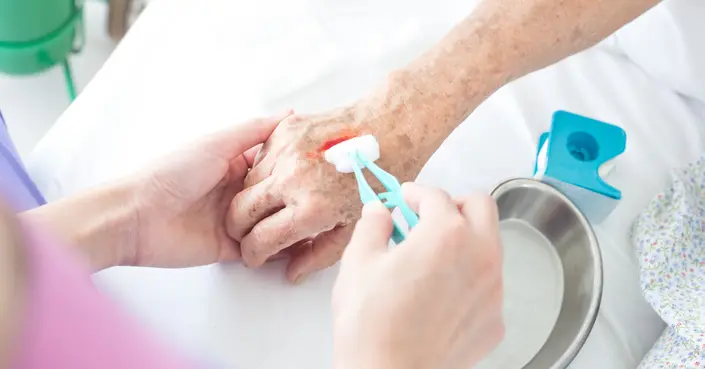
Wounds are a common part of life, ranging from minor scrapes to severe injuries. Understanding the different types of wounds and what causes them is crucial for effective treatment and preventing complications. This knowledge empowers you to respond appropriately when an injury occurs, ensuring proper care whether it’s a small cut or something more serious.
While many minor wounds can be treated at home, recognizing the signs that require professional medical attention is key. Let’s explore the various classifications of wounds, their typical origins, and how to manage them.
- What Exactly Are Wounds?
- Closed Wounds: Internal Damage
- Open Wounds: When the Skin Breaks
- Recognizing Signs of Wound Infection
- Essential First Aid for Wounds
- Conclusion
What Exactly Are Wounds?
A wound represents any physical damage or break in the skin or underlying body tissues. These injuries often result from accidents, trauma, or even surgical procedures. While many minor wounds pose little threat, proper cleaning and care remain essential to prevent infection and promote healing.
However, some wounds are serious and may require immediate first aid followed by medical evaluation. It is important to assess the depth and nature of a wound; if it’s deep, bleeds excessively, or contains foreign debris that you cannot easily remove, seek professional help.
Closed Wounds: Internal Damage
Closed wounds are injuries where the skin remains intact, but damage occurs to the underlying tissues. The severity of a closed wound largely depends on the force of the impact and the area affected. For example, a minor bump can cause superficial damage, while a severe blow might result in significant internal injury.
Bruises, or contusions, are a common example of closed wounds. They happen when small blood vessels beneath the skin rupture, causing blood to leak into the surrounding tissues, which then appears as discoloration. Swelling can also occur as fluids pass through damaged capillary walls. In cases where larger blood vessels are affected, blood can collect and form a noticeable lump, known as a hematoma.
Open Wounds: When the Skin Breaks
Open wounds involve a break in the skin or external body tissues, exposing the internal layers. These injuries are very common and often affect the skin. Fortunately, most open wounds are minor and you can treat them effectively at home.
Common causes of open wounds include falls, sports injuries, accidents, and contact with sharp objects. If an open wound bleeds heavily or continuously for more than 20 minutes, or if it’s very deep, you should seek immediate medical attention.
Common Types of Open Wounds
- Abrasions: These are scrapes or grazes where the top layer of skin is rubbed or scraped away, often causing minor bleeding or oozing.
- Lacerations: Characterized by deep cuts or tears in the skin, often with irregular or jagged edges. Lacerations can bleed profusely.
- Punctures: Caused by a sharp, pointed object (like a nail or needle) piercing the skin. Puncture wounds may not bleed much externally but can be deep and carry a high risk of infection.
- Avulsions: Severe injuries where skin and underlying tissue are partially or completely torn away from the body. These are often traumatic and require immediate medical intervention.
Recognizing Signs of Wound Infection
Wound infections can occur if bacteria enter the broken skin barrier. It is crucial to monitor any wound for signs of infection to prevent further complications. Early detection allows for prompt treatment.
Look out for the following symptoms: the wound site starts draining yellow or green pus; the skin around the wound becomes red, warm, or swollen; or you experience increasing pain at the wound site. Furthermore, the appearance of any red streaks on the skin radiating from the wound typically indicates an infection in the lymphatic system, known as lymphangitis. This condition can be serious, especially if accompanied by a fever, and requires immediate medical evaluation.
Essential First Aid for Wounds
Administering proper first aid immediately after an injury can significantly reduce the risk of infection and promote faster healing. Here are the key steps to take for most types of wounds:
- Wash Your Hands: Always clean your hands thoroughly with soap and water or use an alcohol-based sanitizer before touching a wound to prevent introducing bacteria.
- Stop the Bleeding: Apply gentle, direct pressure to the wound using a clean bandage or cloth. Maintain pressure until the bleeding slows or stops.
- Clean the Wound: Gently rinse the wound with clean water to remove dirt and debris. Avoid using hydrogen peroxide or iodine, as these can irritate the skin and delay healing.
- Apply Antibiotic Ointment: A thin layer of antibiotic ointment or petroleum jelly can help keep the wound moist and reduce the risk of infection. Stop use if you notice a rash.
- Cover the Wound: Use a sterile bandage or gauze, secured with medical tape, to protect the wound from further contamination and injury.
- Change the Dressing: Replace the dressing at least once a day, or more frequently if it becomes wet or dirty.
- Consider Tetanus Shot: For puncture wounds or deep, dirty cuts, ensure your tetanus vaccination is up to date. You may need a booster.
- Monitor for Infection: Continuously check the wound for any signs of infection, such as increased redness, swelling, warmth, pus, or fever.
Conclusion
Understanding the different types of wounds and their potential causes is fundamental for everyone. From minor closed injuries like bruises to more complex open wounds, proper assessment and immediate first aid are vital. Always prioritize cleanliness and vigilance in monitoring for signs of infection.
By following these guidelines, you can effectively manage most minor injuries and know when to seek professional medical help for more serious concerns, ensuring the best possible outcome for healing and recovery.