
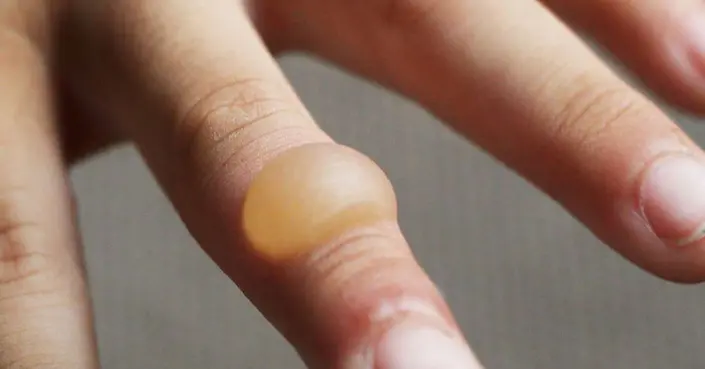
Minor burns can cause surprising discomfort and pain, but fortunately, you often don’t need a doctor’s visit for relief. If you’ve ever spilled hot water, touched a scorching surface, or spent too long in the sun, you know the immediate sting of a simple burn. Understanding the severity of a burn is crucial for proper care.
For those common first and some second-degree burns, effective home remedies can significantly soothe pain and speed up healing. This guide will walk you through safe and natural ways to manage minor burns right at home.
Table of Contents
- Understanding Minor Burns
- Effective Home Remedies for Minor Burns
- Additional Tips for Home Burn Care
- When to Seek Medical Help
Understanding Minor Burns
Burns are categorized based on their depth and impact on the skin. First-degree burns affect only the outermost layer of your skin, causing mild pain, redness, and slight swelling. These are typically the least severe.
Second-degree burns go a bit deeper, affecting multiple layers of skin, leading to blisters and more intense pain. Many small second-degree burns (less than 7.5 cm in diameter) can still be managed at home. However, third-degree burns are severe, affecting deeper tissues, and always require immediate emergency medical attention.
Effective Home Remedies for Minor Burns
Here are several natural and effective ways to treat simple burns at home:
1. Cold Water
Immediately running cool tap water over the burn for about 20 minutes is the crucial first step to prevent further damage. This helps reduce skin temperature and minimize the burn’s severity. Afterward, gently wash the affected area with mild, chemical-free soap and water, avoiding any pressure.
2. Cold Compresses
Applying cold compresses helps reduce pain and swelling caused by the burn. Use these compresses intermittently for 5 to 15 minutes at a time. You can use a clean, damp cloth or a pharmacy-bought cold pack. However, always avoid extremely cold compresses or applying ice directly, as these can further irritate the skin and potentially worsen the burn.
3. Aloe Vera Gel
Often called the ‘burn plant,’ aloe vera is highly effective for first and second-degree burns. It possesses anti-inflammatory properties, boosts circulation, and helps prevent bacterial growth. Apply pure aloe vera gel, extracted directly from the plant’s leaves, to the affected area. It’s best to steer clear of commercial products containing additives, dyes, or fragrances that could cause irritation.
4. Honey
Honey stands out as an excellent natural remedy for minor burns due to its potent anti-inflammatory, antibacterial, and antifungal properties. These qualities help accelerate healing and provide soothing relief. Simply apply a thin layer of pure honey directly to the burn.
5. Vanilla Extract
For minor burns, vanilla extract can help alleviate pain and reduce the burn’s intensity. Dab vanilla extract onto the wound with a cotton swab, gently patting the area. The evaporation of alcohol present in the vanilla creates a pleasant cooling effect that soothes the burn.
6. Black Tea Bags
Black tea contains tannic acid, which effectively draws heat from the burn, thereby reducing pain. To use this remedy, place two or three cool, damp black tea bags directly on the affected area. You can secure them in place using gauze or a clean bandage.
7. White Vinegar
White vinegar contains acetic acid, which can relieve pain, itching, and inflammation associated with burns. Furthermore, its antiseptic and astringent properties make it an excellent natural treatment for minor burns. Soak paper towels in diluted vinegar to create soothing compresses, or use a cotton ball to gently clean the burn.
8. Milk
Thanks to its fat and protein content, milk can help soothe burns, reduce pain, and provide quick comfort. For minor burns, soak the affected area in milk for approximately 15 minutes. This simple application can offer significant relief.
9. Oatmeal
Oatmeal boasts strong anti-inflammatory properties and proves particularly beneficial during the burn healing process. For larger burns, add a cup of oatmeal to your bathwater and soak for 20 minutes to calm the irritated skin. For smaller burns, mix some oatmeal with a small amount of water to create a soothing paste, then apply it to the affected area. Allow your skin to air dry, leaving a thin layer of oatmeal to help reduce itching and promote healing.
Additional Tips for Home Burn Care
Beyond these specific remedies, follow these essential tips for proper burn management:
- Apply a thin layer of antibiotic ointment or cream to help prevent infection. After application, cover the burn with a sterile bandage, gauze, or clean cloth.
- Avoid direct sun exposure on the burn, as burnt skin will be highly sensitive to light and heat.
- Do not pop blisters. Puncturing them increases the risk of infection and slows down the healing process.
- Take over-the-counter pain relievers, such as ibuprofen or acetaminophen, if needed to manage discomfort.
When to Seek Medical Help
While many minor burns can be treated effectively at home, it’s vital to know when to seek professional medical attention. Consult a doctor immediately if:
- The burn is larger than 7.5 centimeters (about 3 inches) in diameter.
- The burn is on your face, hands, feet, joints, or genitals.
- The pain is severe, or you suspect it’s a third-degree burn (characterized by charred, white, or numb skin).
- You notice any signs of infection, such as increased redness, swelling, pus, or fever.
- The burn causes deep blisters, or if existing blisters break open and show signs of infection.
- You have any doubts about the burn’s severity or proper treatment; it’s always best to err on the side of caution.